
Auracast for Speakers & Headphones: ODM Opportunities & Development Challenges
Auracast for Speakers & Headphones
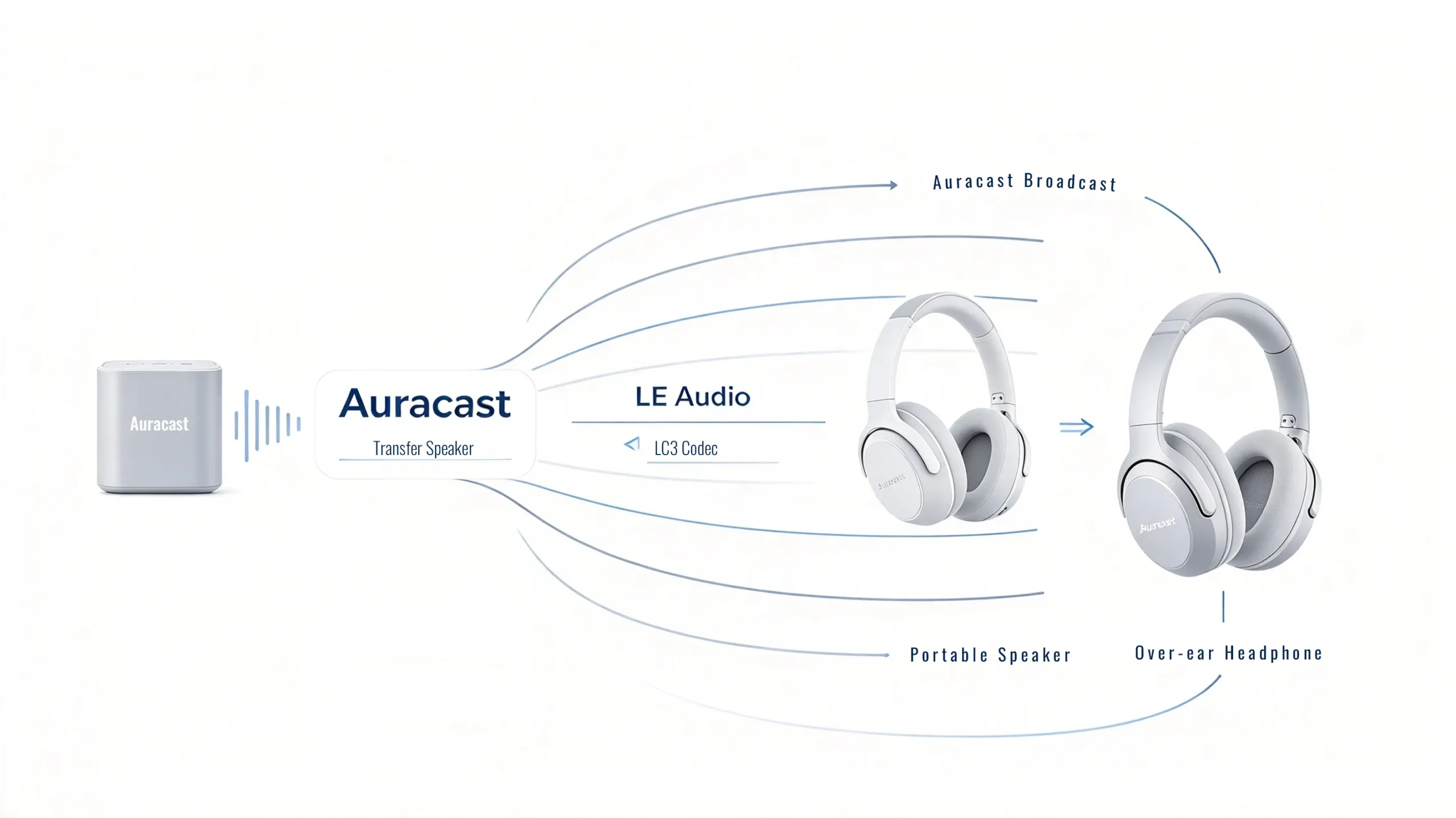
Auracast, built on LE Audio and the LC3 codec, changes how Bluetooth audio is shared. Unlike traditional point-to-point Bluetooth pairing, Auracast enables one transmitter to broadcast audio to unlimited receivers — including speakers, over-ear headphones and other LE Audio devices.
For OEM and ODM brands, this unlocks new product concepts across study, wellness, travel, indoor and outdoor scenarios. Before adding Auracast to your next audio lineup, it is critical to understand real market opportunities, technical limits and common development pitfalls. This is one part of our series: What Is Next For Bluetooth Audio Products?
What Is Auracast & How It Works With LC3
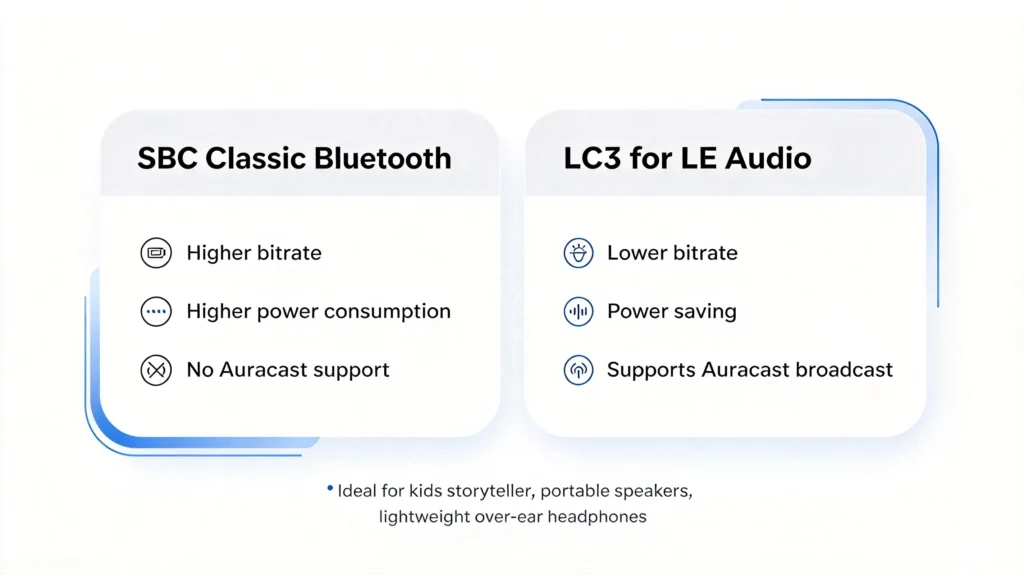
Auracast sits on top of LE Audio, with LC3 as its mandatory codec. Compared to older classic Bluetooth codecs such as SBC, LC3 delivers solid audio quality at much lower bitrates. This reduces power draw, which is a huge advantage for battery-powered gear, from kids storytellers and compact portable speakers to lightweight over‑ear headphones.
It is important to note that classic Bluetooth hardware cannot run Auracast. The broadcast function relies on LE Audio-enabled silicon, so it has to be planned at the hardware design phase.
Auracast Use Cases for Speakers
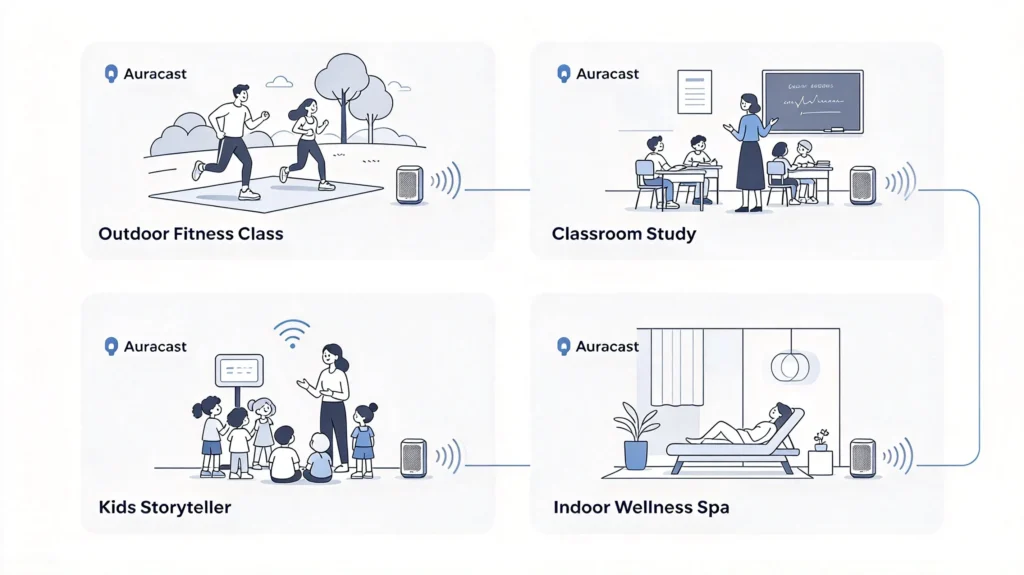
Speakers can be designed as Auracast transmitters, receivers, or dual‑mode devices. For outdoor settings, Auracast works well for fitness classes, tour guiding and shared background audio in public zones. In education and study environments, it supports group listening for classroom lessons and kids storyteller activities. Wellness and lifestyle applications include meditation spaces and spa multi‑speaker setups, while travel‑focused deployments cover shared announcements in waiting areas.
Auracast Use Cases for Headphones & Over-Ear Headphones
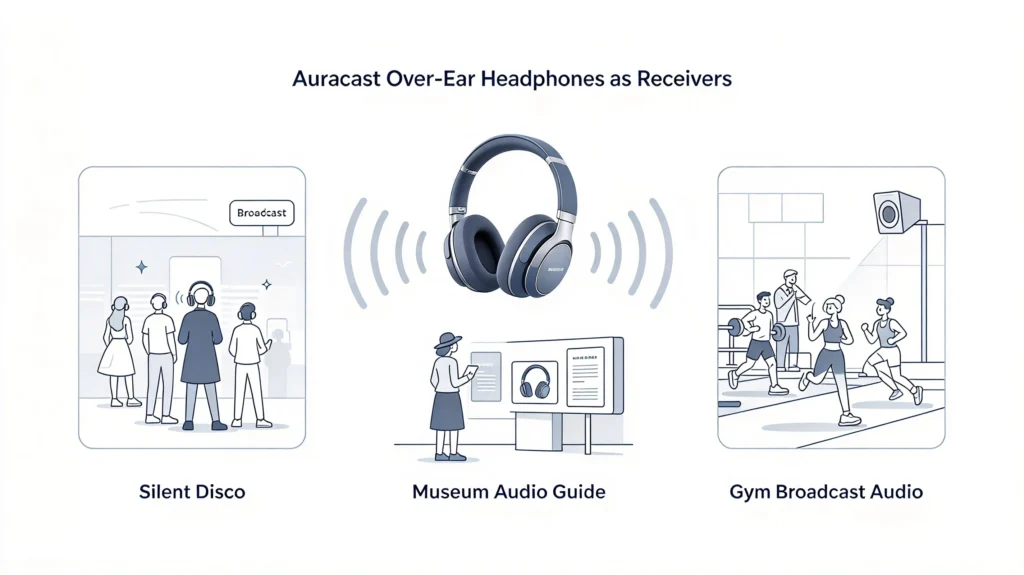
Over‑ear headphones are a popular Auracast receiver form factor, thanks to extra battery space and simpler thermal design compared to compact TWS earbuds. Common commercial use cases include silent disco, museum and exhibition audio guides, gym broadcast audio and hearing‑assistance companion audio. Many ODM enquiries we receive target these event and hospitality segments.
Key ODM Development Challenges
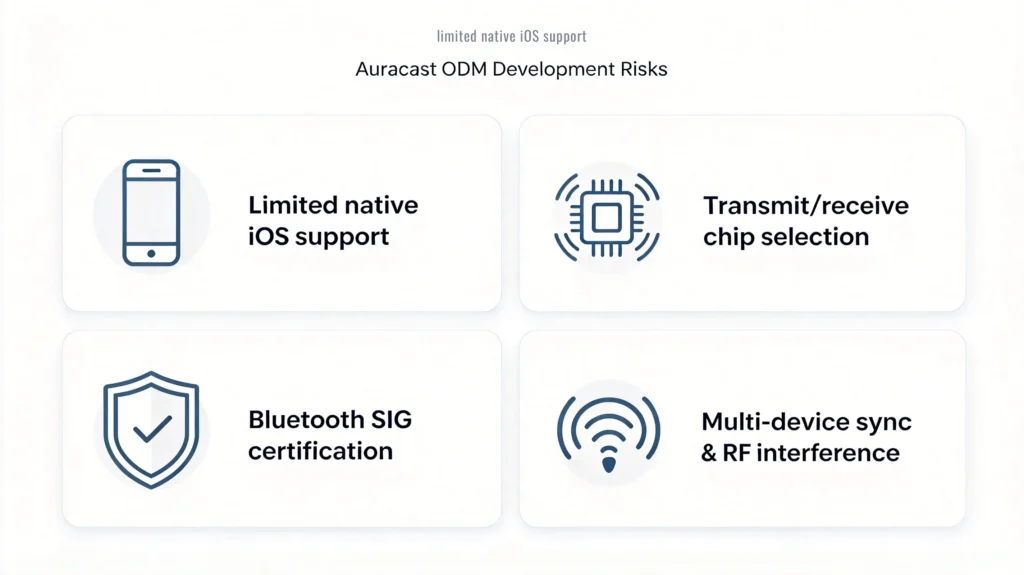
Ecosystem support remains the biggest practical hurdle for brands. Native iOS support for LE Audio and Auracast is still limited, and this is one of the first questions most product teams raise.
Chip selection also matters: not every LE Audio chip supports both transmit and receive modes. You will need to lock this requirement early. Other considerations include audio sync stability across mixed receivers, RF interference in crowded indoor locations, end‑user broadcast discovery via QR codes or apps, plus Bluetooth SIG certification testing and associated costs.
Who Should Add Auracast to Their Roadmap?
Auracast makes the most commercial sense for brands building products for education, fitness, wellness, hospitality and silent event markets. For basic casual portable speakers or everyday consumer headphones with no broadcast use case, adding Auracast will add cost without clear differentiation.
Our Auracast‑Ready ODM Product Portfolio
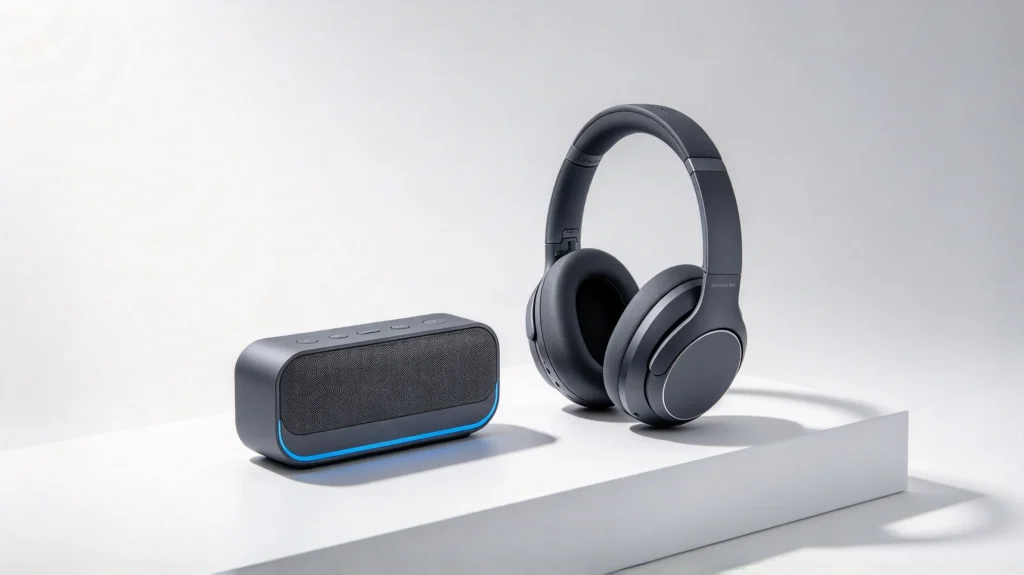
Below are our Auracast-ready reference hardware for ODM & OEM projects, covering TWS earbuds, over-ear headphones and portable speakers. Each design supports LE Audio broadcast audio for silent events, museum guides, fitness and hospitality audio solutions.
-
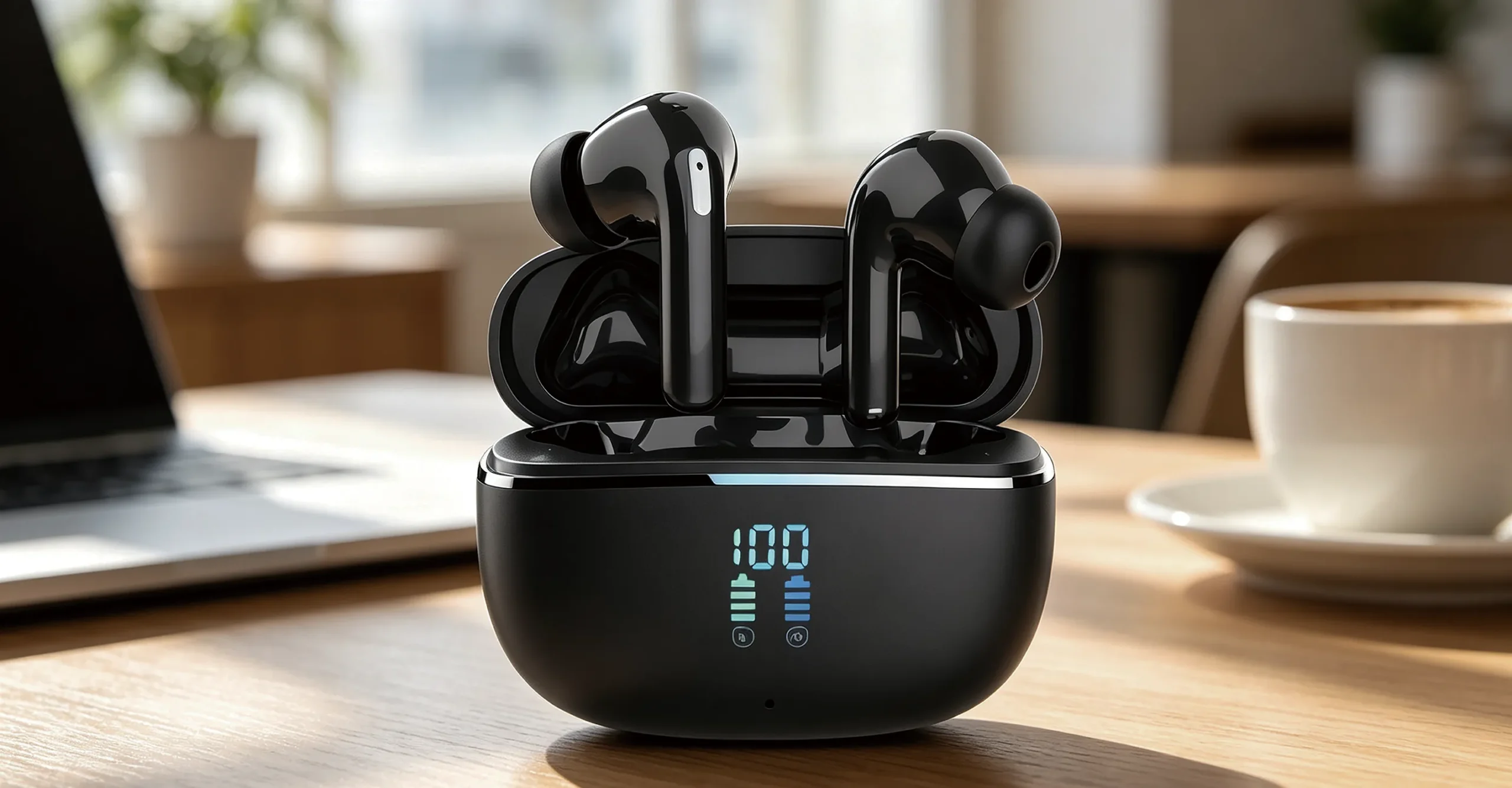
GN055 Auracast Six-Microphone ANC TWS Headphones
An Auracast headphone featuring a six-microphone ANC array, touch control and charging case battery display for enhanced wireless listening and calls.
-
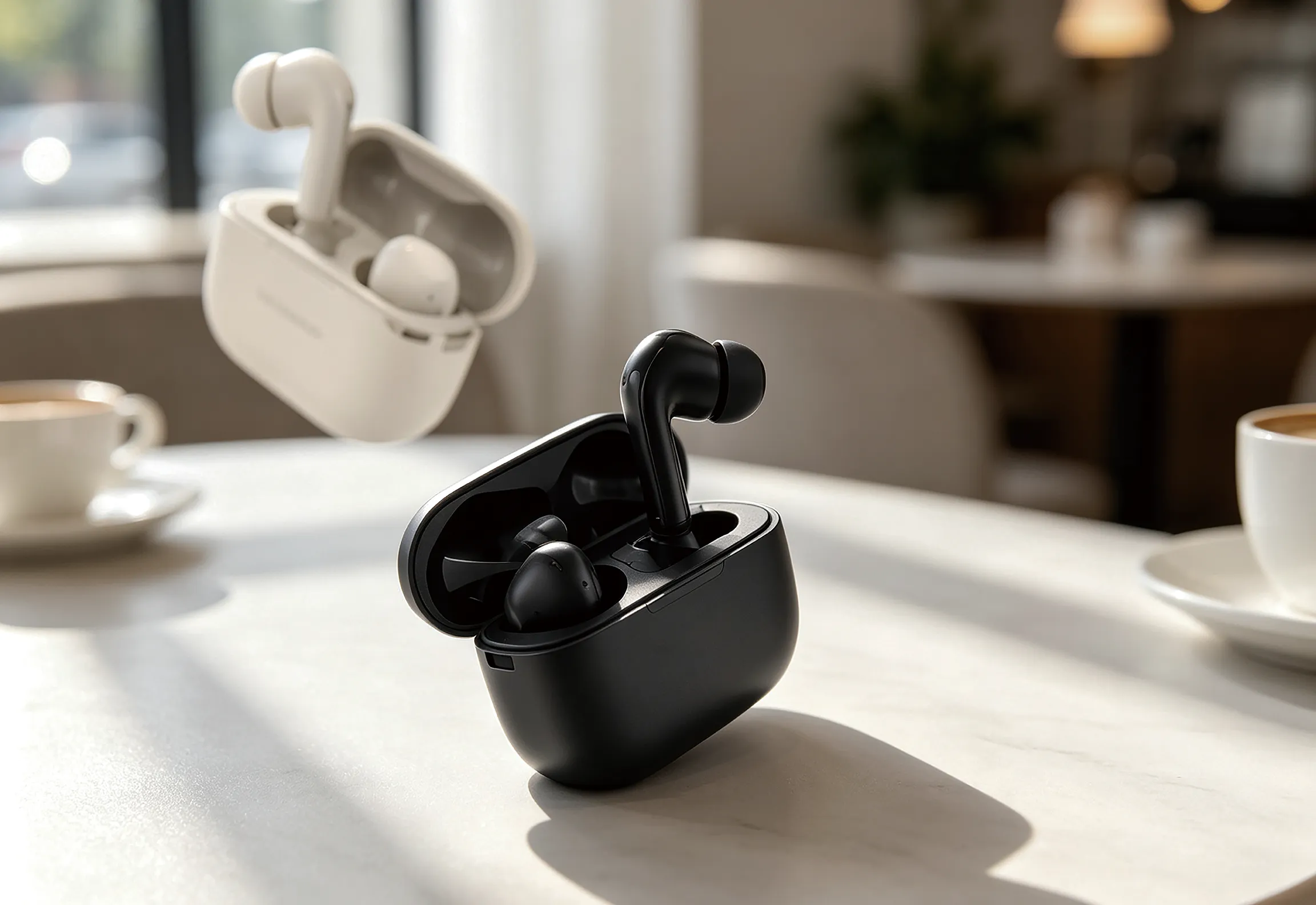
GN054 Auracast Four-Microphone ANC TWS Headphones
A compact Auracast ANC TWS headphone featuring a four-microphone array, touch control and a charging case for enhanced wireless listening and calls.
-
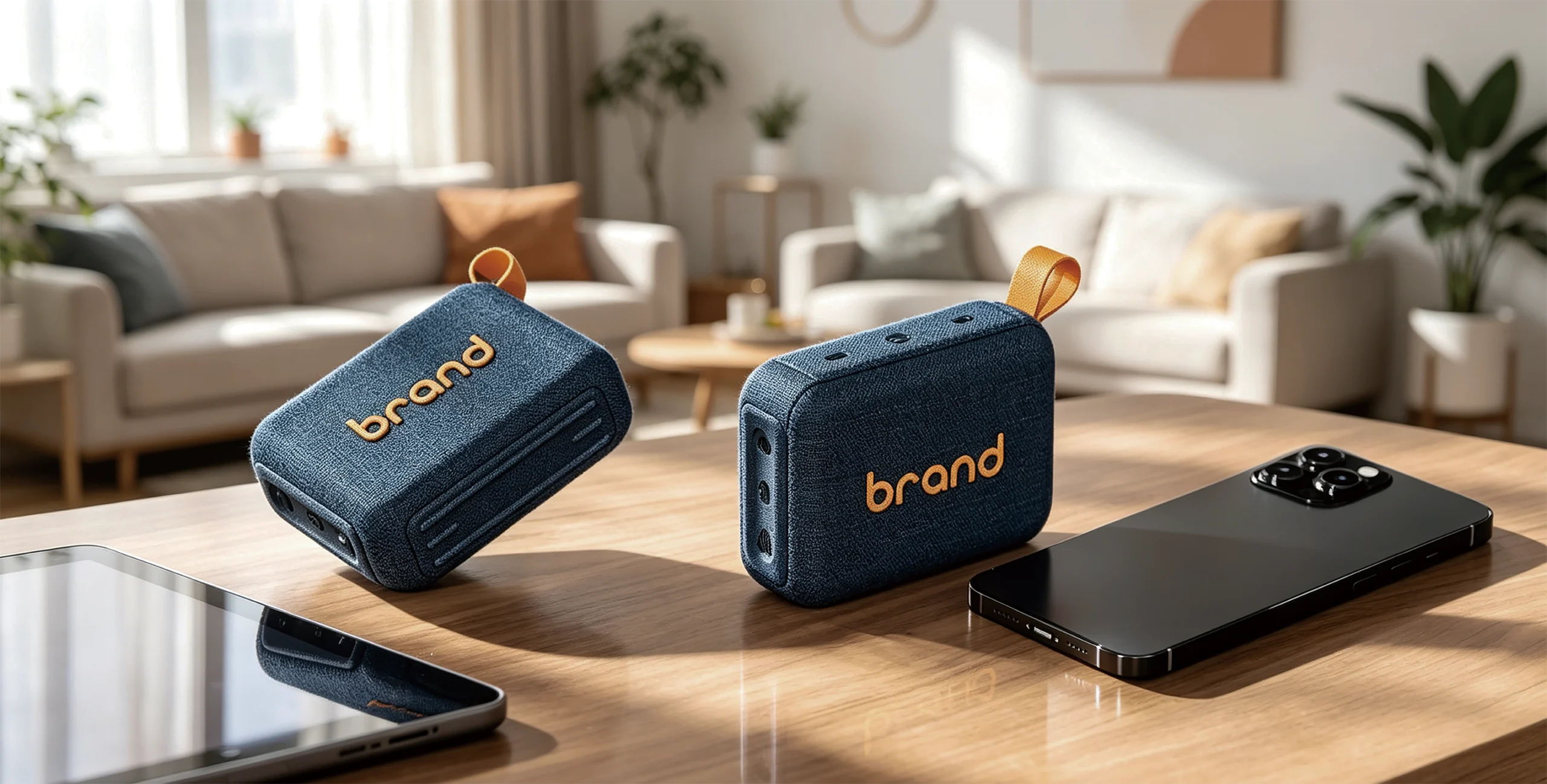
GN058 Auracast Bluetooth Speaker
A compact Auracast Bluetooth speaker with 7W output, IPX7 water resistance and a passive radiator for versatile everyday listening.
-
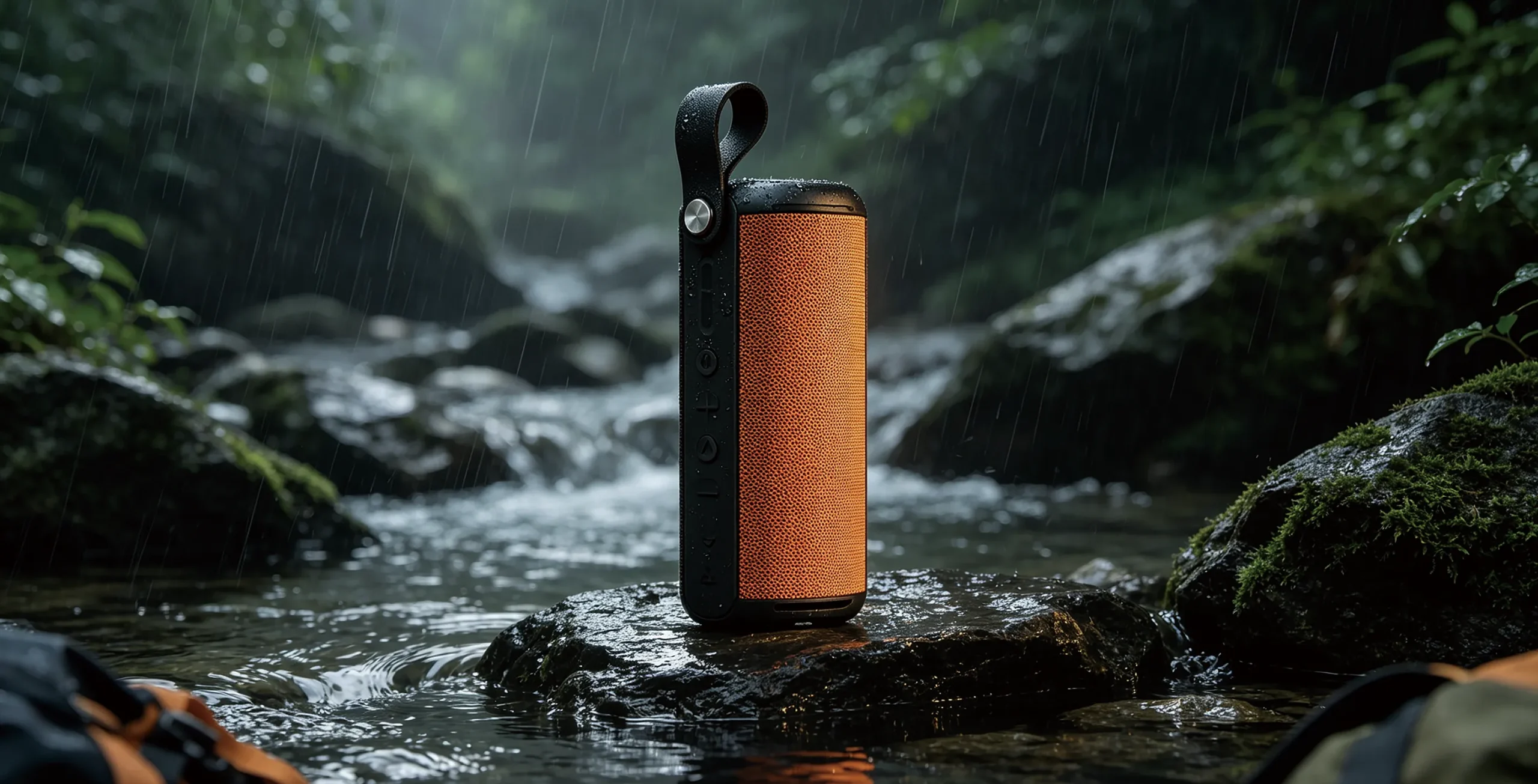
BTS166D Auracast Bluetooth Speaker
A portable Auracast Bluetooth speaker combining 10W stereo output, dual passive radiators and a fabric-covered design for shared wireless listening.
-
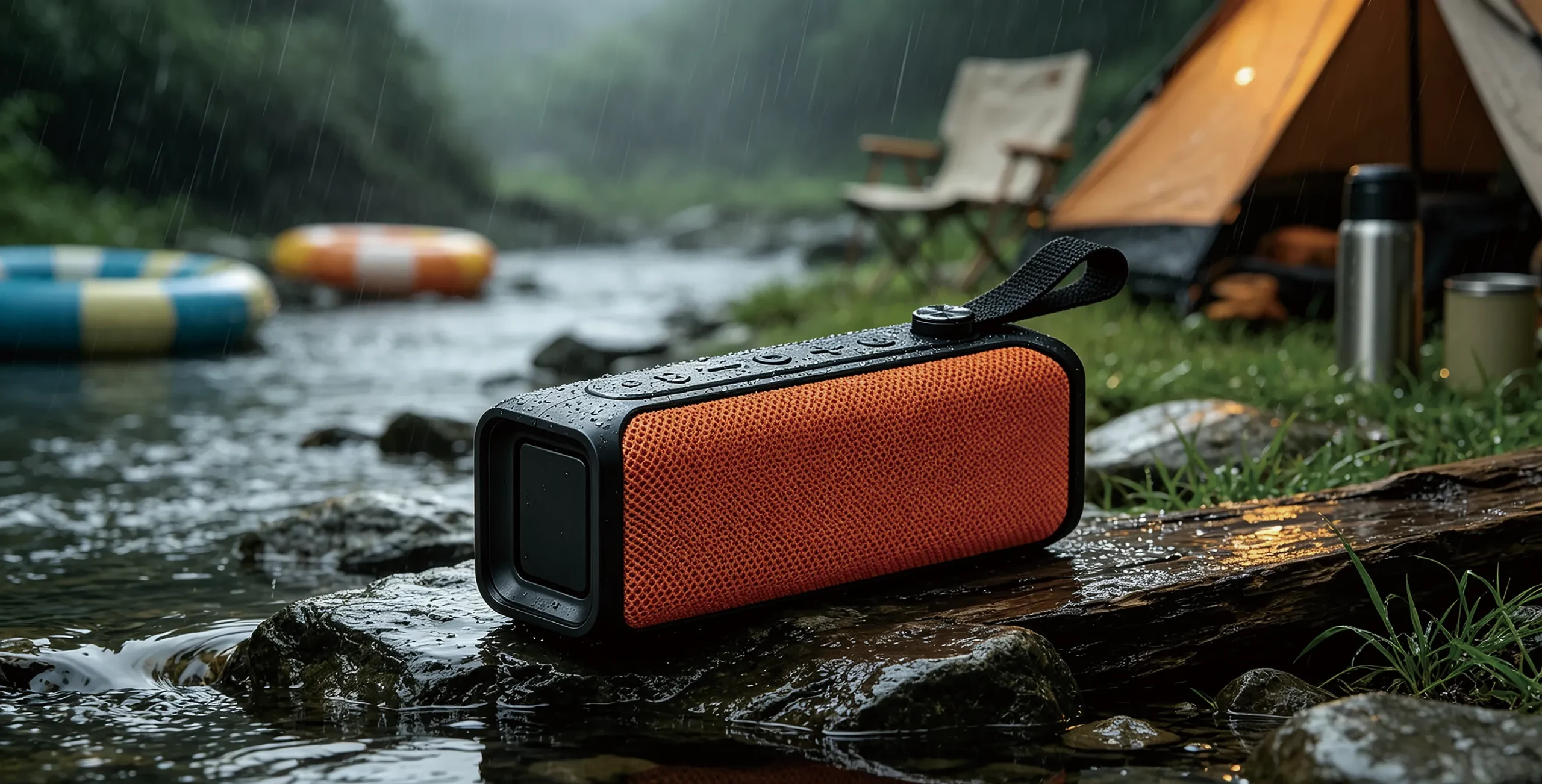
BTS185 Waterproof Bluetooth Speaker with Portable Charger
A powerful waterproof Bluetooth speaker with 30W stereo output, NFC connectivity and a built-in power bank for outdoor listening and everyday use.
-
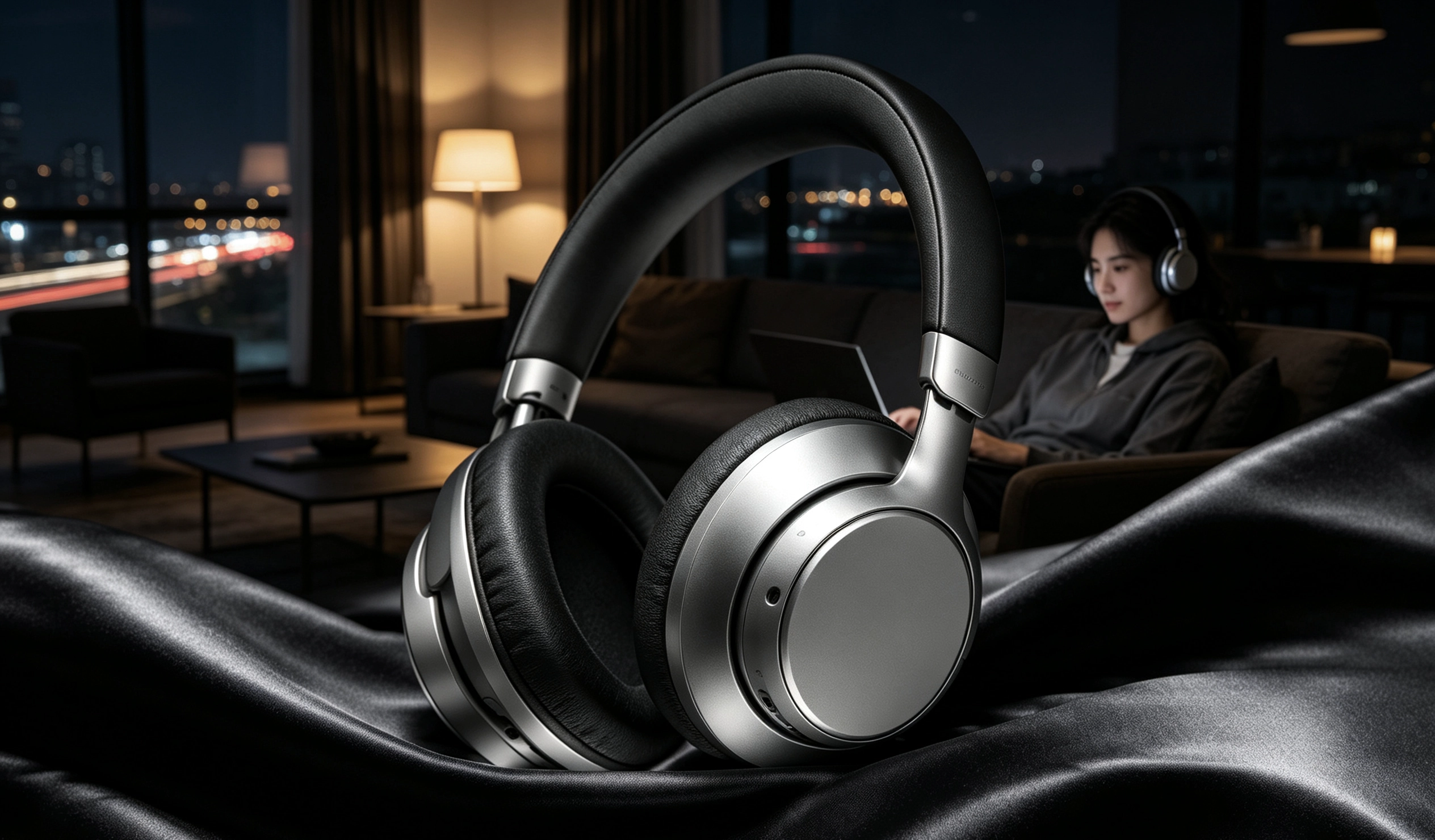
BET013A-Auracast High-End Business Over-Ear Headphones
A premium over-ear headphone designed for business and professional use, combining Auracast connectivity, ANC and ENC performance with up to 100 hours of playback.
Frequently Asked Questions
Can we make Auracast over-ear headphones as ODM?
Yes. Over-ear headphones are well suited for Auracast receiver applications, thanks to larger battery capacity and more PCB space for LE Audio modules. Silent events, museum audio guides and fitness classes are the most popular use cases for Auracast over-ear headphone ODM projects. We can support customised firmware, casing and branding based on your target scenario.
Is LC3 required for Auracast speakers?
Yes. Auracast broadcast audio runs on the LE Audio standard, and LC3 is the mandatory default codec. It delivers reliable audio at lower bitrates, which helps save battery for portable speakers and compact audio devices such as kids storytellers. Older classic Bluetooth codecs like SBC and AAC do not support Auracast.
Can Auracast work with existing classic Bluetooth speakers?
No. Classic Bluetooth hardware cannot be upgraded to support Auracast via firmware only. Auracast requires LE Audio-capable chips. If you want Auracast function, it needs to be considered at the initial hardware design stage for new speaker or headphone projects.
What chip options are available for Auracast speaker & headphone projects?
Multiple mainstream audio chip vendors offer LE Audio chips supporting Auracast transmit, receive or dual-mode functions. The right selection depends on your product type, battery budget, audio quality target and certification plan. Our engineering team can recommend suitable chips after reviewing your product specification and bill of materials target.
If your brand is evaluating Auracast speaker or over-ear headphone concepts, our engineering team can support feasibility review, chip selection and prototype development for OEM and ODM orders.