
What Is Next for Audio Products? Emerging Trends Brands Should Watch in 2027
Introduction
The audio industry is entering a new stage.
For years, product development was largely driven by familiar categories: Bluetooth speakers, headphones, TWS earbuds and portable audio devices. Improvements often focused on better sound, longer battery life, smaller form factors and lower production costs.
But the next generation of audio products may not be defined by specifications alone.
Consumer lifestyles are changing, new technologies are becoming commercially accessible, and audio is increasingly connected with wellness, mobility, entertainment and everyday experiences.
For brands, the question is no longer simply “What audio product can we manufacture next?”
The more important question is:
This is where product concepts, early-stage samples and engineering validation become increasingly important. Instead of waiting for a finished specification, brands and manufacturing partners can work together earlier to explore opportunities, test ideas and turn promising concepts into production-ready products.
Here are several trends we believe are worth watching as the audio industry moves toward 2027.
The Audio Market Is Moving Beyond Traditional Products
For many years, the audio industry has been organized around traditional product categories:
These categories remain important, but the market is gradually moving beyond simple product classification.
Consumers are no longer looking only for a device that produces sound. They are looking for products that fit specific lifestyles, environments and personal needs.
For example:
This shift creates new opportunities for brands.
The next successful audio products may not come from adding another feature to an existing model. They may come from identifying a new consumer scenario and developing a solution around that need.
This is why early-stage product exploration is becoming more important.
A successful product journey often begins before mass production:
Market Insight → Product Concept → Functional Sample → Engineering Validation → Mass Production
At BETRUE, we believe a manufacturing partner should not only support production, but also participate earlier in the product development process — helping brands explore ideas, evaluate possibilities and transform concepts into real products.
Trend 1: Audio Products Are Becoming Lifestyle Solutions
One of the biggest changes in the audio industry is the transition from standalone devices to lifestyle solutions.
Traditional audio products were mainly evaluated by technical specifications:
These specifications are still important, but they are no longer the only factors that influence purchasing decisions.
Today’s consumers buy products based on the experience they create.
A portable speaker is not only a speaker. It may become part of an outdoor adventure, a family gathering or a personal entertainment experience.
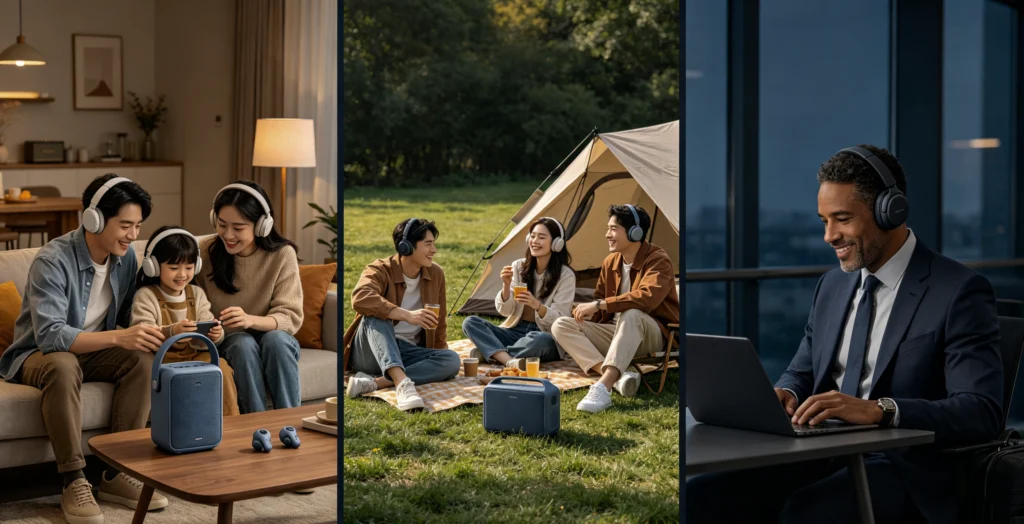
A kids audio device is not only a playback product. It can become a tool for learning, storytelling and parent-child interaction.
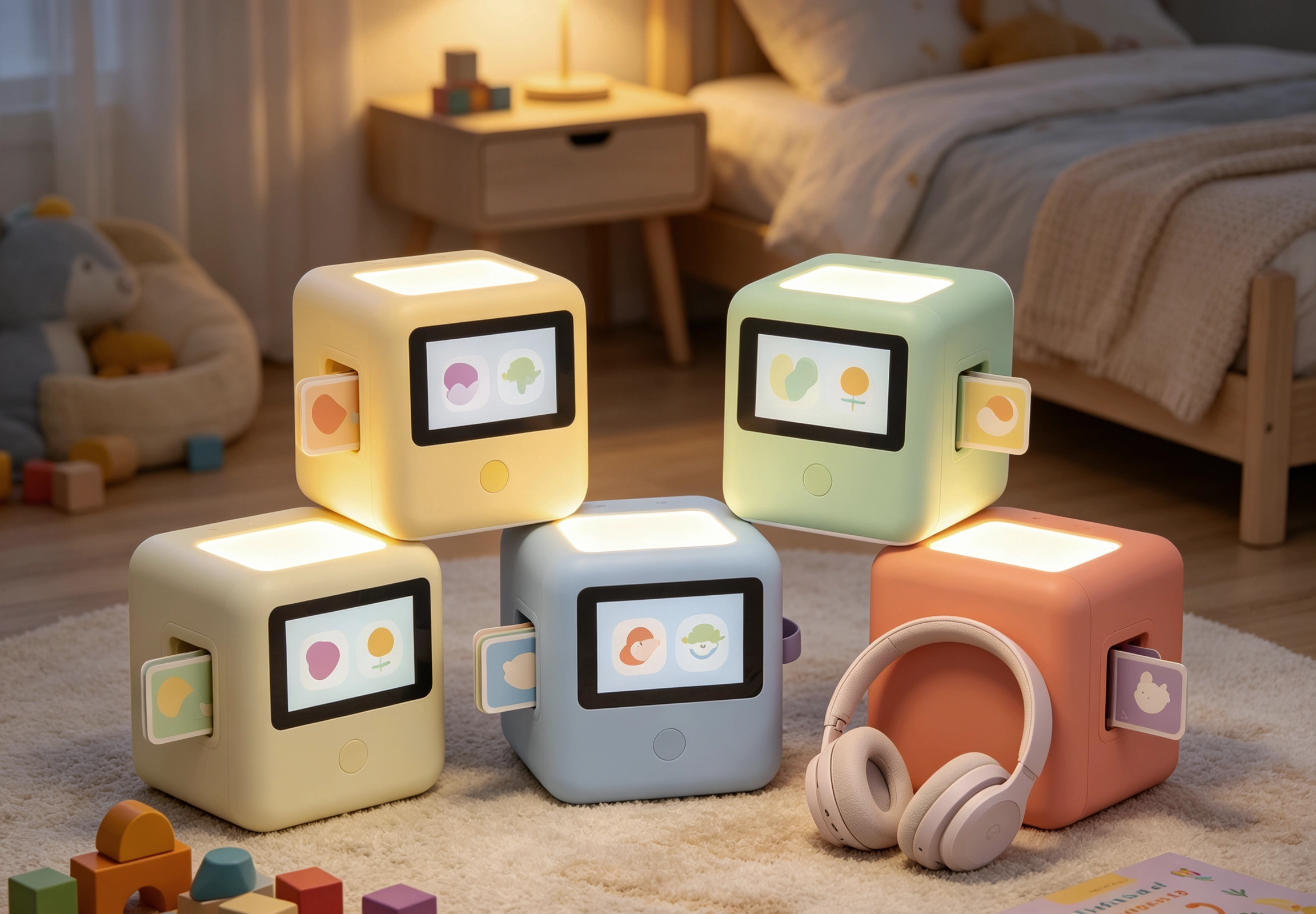
Case Example: Interactive Learning Audio Experience
Story interaction • Parent-child scenario • Product design
A personal audio device is not only about listening. It can support different daily scenarios such as commuting, working, relaxing and sleeping.
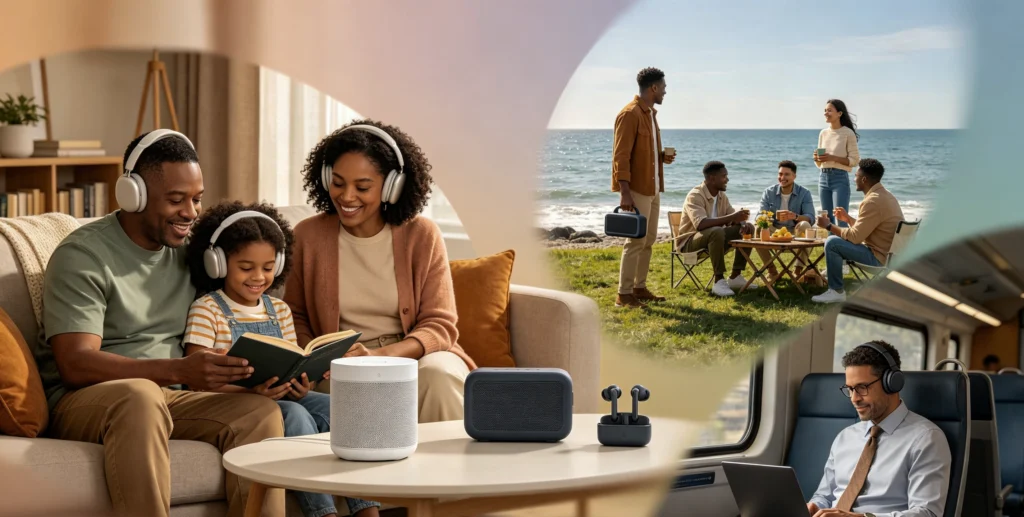
This creates a new opportunity for brands:
Instead of developing another product based only on existing categories, brands can explore new solutions built around consumer needs and lifestyle moments.
This approach requires more than manufacturing capability. It requires the ability to identify opportunities, create concepts and develop functional samples for market validation.
For example, a new audio concept may begin with a simple question:
What problem does the user experience today, and how can audio technology create a better solution?
From this starting point, ideas can move through concept design, prototype development and engineering validation before entering mass production.
This is the foundation of proactive product development — helping brands discover future opportunities before they become mainstream.
Trend 2: Wellness and Sleep Audio Are Creating New Opportunities
As consumers become more focused on health, relaxation and personal wellness, audio is expanding into new application scenarios beyond entertainment.
One emerging opportunity is sleep and relaxation technology.
For many users, traditional audio products are not designed for long-duration comfort. Standard headphones may create pressure during extended use, while ordinary speakers may not provide a personalized listening experience.
This creates a new product development opportunity:
How can audio technology become a more comfortable and natural part of the sleep experience?
The future of sleep audio may combine multiple elements:
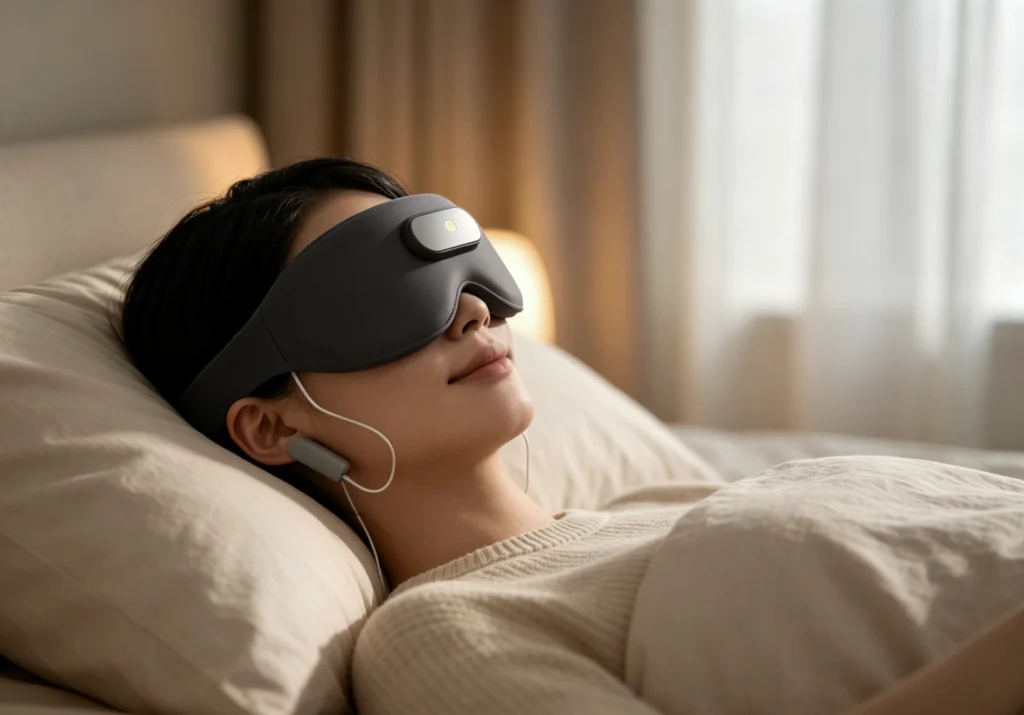
This is an example of how new product opportunities can emerge from consumer problems rather than existing product categories.
At the concept stage, brands can explore different solutions through prototype development and functional samples before committing to large-scale production.
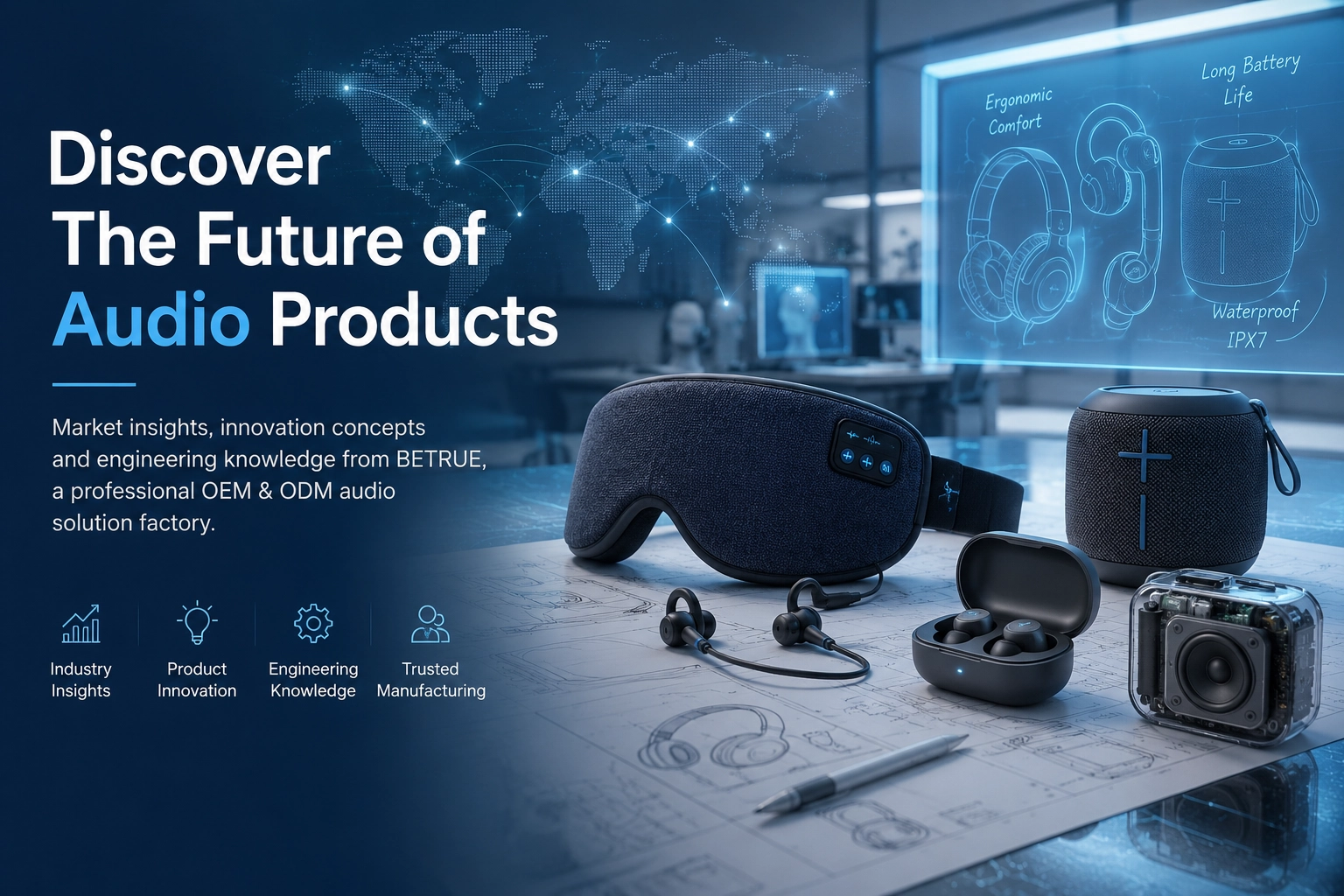
For example, BETRUE has been exploring a sleep audio concept that combines a comfortable Bluetooth sleep mask design with ear clip technology, creating a new approach to personal relaxation and sleep support.
The purpose of early-stage concept development is not only to create a new product appearance, but to validate:
Trend 3: Smart Connectivity Will Shape Future Audio Experiences
Wireless audio has already transformed the way people listen to music, communicate and interact with devices.
However, the next stage of audio innovation will not only be about removing cables. It will be about creating more flexible, connected and shared experiences.
Future audio products may become part of a wider ecosystem where multiple devices communicate more naturally.
Examples include:
Technologies such as next-generation Bluetooth audio capabilities are creating new possibilities for product developers.
For brands, this means future product opportunities may come from rethinking how users experience audio, rather than simply improving existing specifications.
A successful product concept often starts with a user scenario:
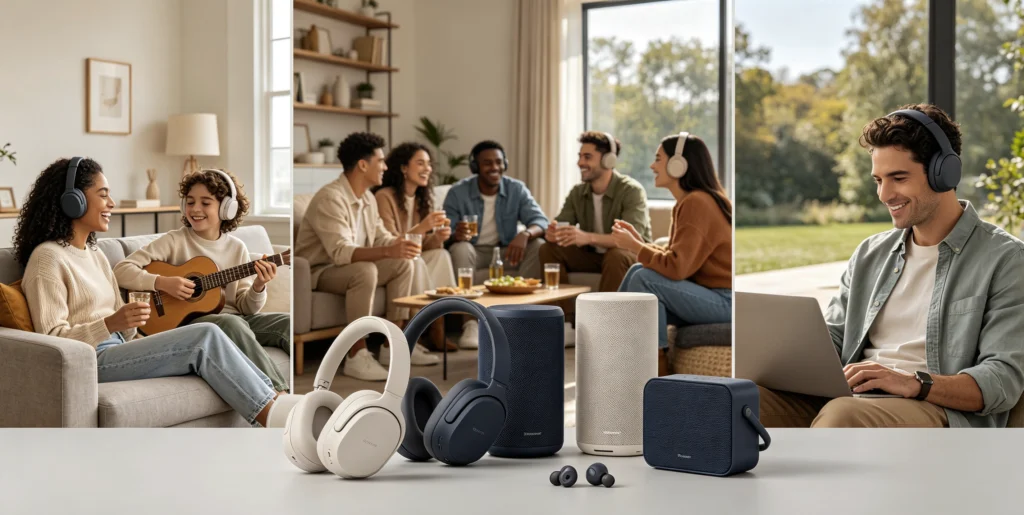
Each scenario creates different product possibilities.
At the development stage, these ideas need to be translated into real engineering solutions:
At BETRUE, we explore how emerging technologies can be applied to practical product concepts, helping brands move from technology possibilities to market-ready audio solutions.
Trend 4: Brands Need Faster Product Innovation Cycles
As audio markets become more competitive, product innovation speed is becoming a critical advantage for brands.
In the past, many product development processes started with a fixed specification:
A brand defined the product requirements, then searched for a manufacturer to execute the design.
However, emerging product opportunities often require a different approach.
When markets are changing quickly, brands need partners who can help explore ideas earlier — before the final product specification is defined.
A more proactive development process may include:
Market Insight → Product Concept → Functional Sample → Engineering Validation → Mass Production
Each stage helps reduce uncertainty:
1
Product Concept
Exploring whether an idea can solve a real consumer problem.
2
Functional Sample
Creating a physical prototype to evaluate design, features and user experience.
3
Engineering Validation
Testing technical feasibility, reliability and production requirements.
4
Mass Production
Transforming a validated concept into a scalable commercial product.
This approach allows brands to make better decisions before investing heavily in tooling and production.
For example, a new audio product idea may begin as a simple market observation:
Through collaboration between brand teams and manufacturing engineers, these ideas can gradually become practical products.
At BETRUE, we believe the role of an audio manufacturer is evolving. A modern OEM/ODM partner should not only produce finished products, but also support earlier-stage exploration, prototype development and engineering collaboration.
From Manufacturing Factory to Solution Partner
The evolution of the audio industry is changing the expectations of manufacturing partners.
A traditional factory mainly focuses on production:
These capabilities remain essential, but future product development requires more collaboration before production begins.
Brands increasingly need partners who can participate in earlier stages:
This shift represents the move from a traditional production factory toward a proactive solution partner.
At BETRUE, we believe successful audio products are created through collaboration between market understanding, creative ideas and engineering execution.
The journey does not start with a factory order.
It starts with an idea.
From there, the right development process can transform an early idea into a real product solution.
This is the philosophy behind:
Your Idea, Our Audio Solution.
By combining product insight, prototype development and manufacturing capability, BETRUE works with brands to explore new possibilities in the evolving audio market.
The future belongs to brands that identify opportunities early.
Discuss Your Next Audio Product Idea With BETRUE